Repotting Calathea: Nurturing Your Plant for a Healthier Life
Calathea is a genus of plants that belong to the Marantaceae family, and it is native to South America, Asia, and Africa. The plant has vibrant foliage with intricate patterns that make it a popular choice for indoor gardening. However, like any other plant, Calathea requires proper care and maintenance, including repotting.
If you are new to gardening or have never repotted your Calathea before, this guide will help you understand how to do it correctly. In this article, we will cover everything you need to know about the process of repotting Calathea, from when and why to repot to the tools you need and the steps involved in the process.
Reasons Why You Need to Repot Your Calathea
Repotting is essential for the health and growth of your Calathea. Here are some reasons why you should repot your Calathea:
- Root Bound: When your Calathea outgrows its current container, the roots may become cramped and entangled. This can cause poor nutrient uptake, stunted growth, and even death.
- Soil Depletion: Over time, the soil in the container can become depleted of nutrients, which can lead to nutrient deficiencies in your Calathea.
- Pest Infestation: If your Calathea has pests, such as mealybugs or spider mites, repotting can help get rid of them by removing the infested soil.
When to Repot Your Calathea
The best time to repot your Calathea is during the growing season, which is spring and summer. During this period, the plant is actively growing, and repotting will help it grow better.
Here are some signs that indicate it is time to repot your Calathea:
- Roots Growing Out of Drainage Holes: If you notice roots growing out of the drainage holes, it's a sign that your Calathea needs a bigger container.
- Slow Growth: If your Calathea has not grown much in size or has not produced new leaves in a while, it may be root-bound and in need of repotting.
- Watering More Frequently: If you find yourself watering your Calathea more frequently than usual, it may be because the soil is depleted and can no longer hold moisture.
Tools Needed for Repotting Your Calathea
Before you the repotting process, you will need some tools. Here are some of the tools you'll need:
- A new pot that is one size larger than the current pot
- Potting soil
- Perlite or sand (optional)
- Pruning shears
- Gloves
- Water
Steps to Repotting Calathea
Follow these steps to repot your Calathea:
- Prepare the new pot: Fill the new pot with potting soil. If you want to improve drainage, add perlite or sand to the soil mix.
- Water the plant: Water your Calathea a day before the repotting process. This will make it easier to remove the plant from the old pot and reduce transplant shock.
- Remove the plant from the old pot: Gently turn the pot upside down and tap the bottom to loosen the soil. Use your hand to gently pull the plant out of the pot. If the plant is root-bound, you may need to use pruning shears to cut away any entangled roots.
- Inspect the roots: Check the roots for any signs of damage or disease. Trim off any damaged or diseased roots using pruning shears.
- Place the plant in the new pot: Place the plant in the center of the new pot and fill the remaining space with potting soil, making sure the plant is at the same level as before.
- Water the plant: Water the plant thoroughly, making sure the soil is evenly moist.
Caring for Your Repotted Calathea
After repotting your Calathea, you need to take care of it properly to ensure its health and growth. Here are some tips to help you care for your repotted Calathea:
- Place your Calathea in a location that receives bright, indirect light. Avoid direct sunlight, as it can scorch the leaves.
- Maintain a consistent temperature between 65°F and 75°F (18°C to 24°C).
- Water your Calathea when the top inch of soil feels dry. Do not overwater, as this can lead to root rot.
- Fertilize your Calathea every two weeks during the growing season using a balanced fertilizer.
Frequently Asked Questions
Q1: How often should I repot my Calathea?
A: You should repot your Calathea every one to two years, or when you notice the plant has outgrown its current container.
Q2: What type of soil is best for Calathea?
A: Calathea prefers well-draining soil that is rich in organic matter. A mix of peat moss, perlite, and potting soil is ideal.
Q3: Can I propagate Calathea from cuttings?
A: Yes, you can propagate Calathea from stem cuttings. Cut a healthy stem just below a node, and place it in a jar of water until roots form. Then, plant the cutting in a pot with fresh soil.
Q4: Can I repot my Calathea in the winter?
A: It is not recommended to repot your Calathea in the winter, as the plant is in a dormant phase and may not recover well.
Q5: How do I know if my Calathea needs water?
A: You can check the moisture level of the soil by inserting your finger into the soil up to the first knuckle. If the soil feels dry, it's time to water.
Q6: Can I use tap water to water my Calathea?
A: Yes, you can use tap water to water your Calathea, but make sure to let it sit for 24 hours before using it. This will allow the chlorine in the water to dissipate.
Q7: Is it normal for my Calathea to droop after repotting?
A: Yes, it is normal for your Calathea to droop after repotting due to transplant shock. However, it should recover within a few days.
Q8: Do I need to prune my Calathea after repotting?
A: You do not need to prune your Calathea after repotting, but you can remove any yellow or damaged leaves to promote new growth.
Q9: What should I do if my Calathea has root rot?
A: If your Calathea has root rot, you will need to remove the affected roots and repot the plant in fresh, well-draining soil.
Q10: Can I keep my Calathea outdoors?
A: Calathea prefers indoor environments with bright, indirect light. Outdoor conditions may be too harsh for the plant.
Repotting your Calathea is an essential part of its care and maintenance. By following the steps outlined in this guide, you can ensure that your plant remains healthy and vibrant. Remember to take care of your Calathea properly by providing it with bright, indirect light, consistent temperatures, and regular watering and fertilization. With proper care, your Calathea will thrive and add beauty to your indoor space.
14 Repotting calathea Images

How To Propagate Watermelon Peperomia Every Step Watermelon Plant

Flaming Hot Blooms Of Tassmania Plant In 2022 Plants Calathea Bloom

High Humidity Is A Must For A Calathea The Plant Develops Brown Leaf

Pin On Garden Delights Tips

CalatheaLight Light Shade Or Dappled Light Indoors Water High

Pin On Products
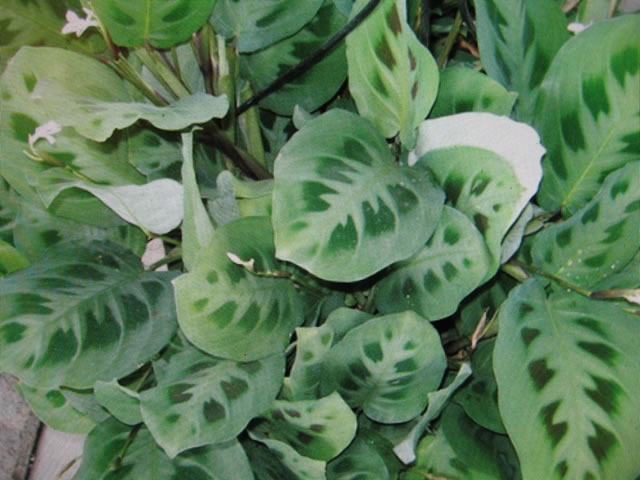
Pin On My Houseplants

Calathea Lancifolia Rattlesnake Plant

Spathiphyllum Picasso Variegated Peace Lily Plants Pinterest

How To Repot A Calathea Calathea Calathea Plant Zebra Plant

The 1 Thing I Do With Leftover Coffee PS Im Not Drinking It

When And How To Repot A Calathea Plant Essential Tips Petal

Pin On Cacti Succulents

Pin On 2020 New Apartment
Post a Comment for "Repotting Calathea: Nurturing Your Plant for a Healthier Life"